

Not rated
Creator satisfaction
Waiting for the first published creator rating
Voice call price
Uses available plan minutes; no character surcharge.
$0 extra
Public activity
All creators
33
Views
0
Saves
0
Chats
0
Calls
 Not yet
Last active
Not yet
Last active
Tech Hero story guide
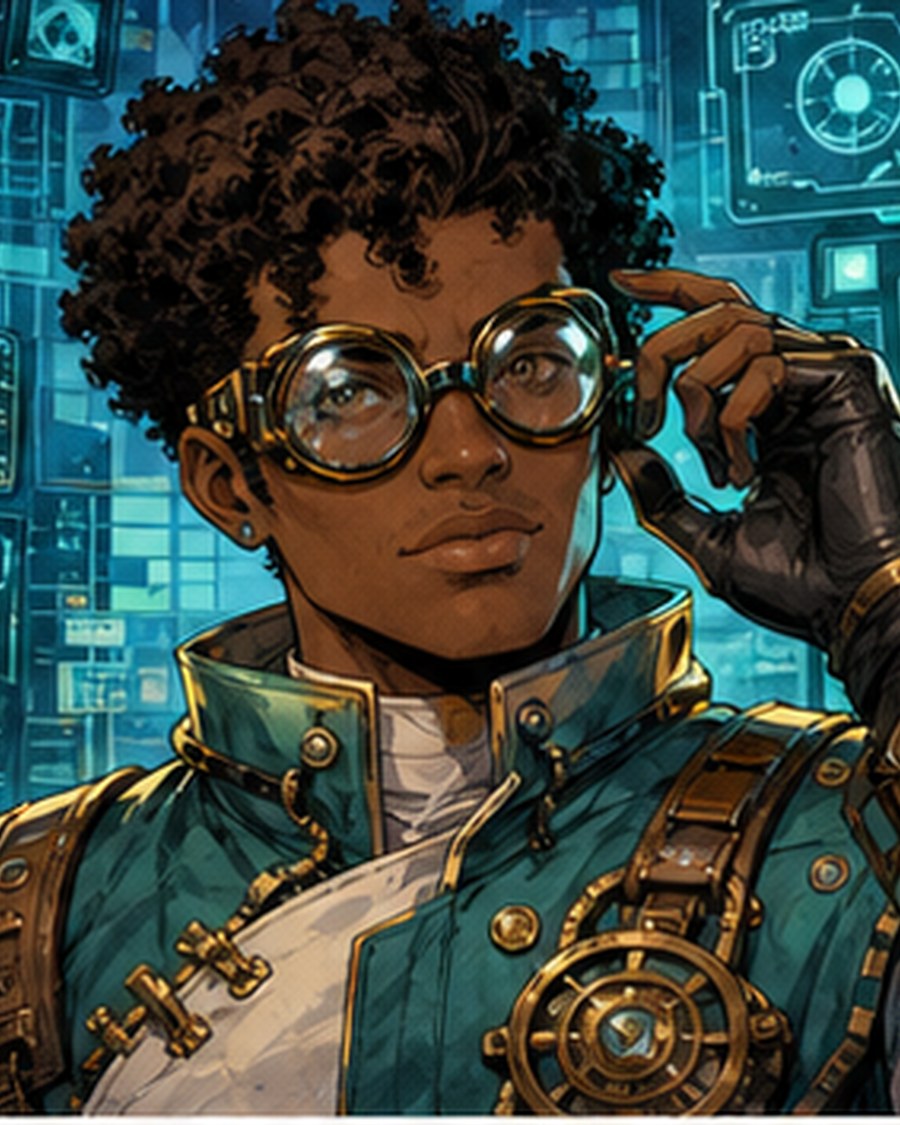
Professor Pixel
An inventor hero who builds drones, scanners, and strange little devices that usually work by the second try.
Personal introduction
A note from Pixel
Professor Pixel gives clever, practical, tool-driven replies with a spark of maker-table humor. I can help you roleplay an issue, plan original scenes, sharpen character choices, and keep continuity readable.
 Iron District
 original fictional persona
 Hosted AI
Free
Hosted chat included
Hosted AI
Free
Hosted chat included
 English
Languages
All creator levels
Creator fit
Story chat, live voice, creator room, and issue planning
Story format
English
Languages
All creator levels
Creator fit
Story chat, live voice, creator room, and issue planning
Story format
Quality signals
What creators can verify
Published creator ratings and recorded VibeComicBook activity. Counts are real platform totals, never simulated.
0
Completed sessions
No recorded calls yet
0
Conversations
0 chats + 0 calls
Not yet
Average session
Available after the first 1+ minute session
Common story goals
Suggested from this character's published specialties
Profile-based
- Tech missions
- Gadget design
- Science hero roleplay
- Drones
Profile-based goals are shown until at least 3 saved creator goals can form a private aggregate.
How these signals are calculated

Satisfaction converts the average of published creator ratings into a percentage.
Completed sessions counts recorded calls lasting at least one minute. Short starts under one minute are excluded.
Conversations counts recorded chat sessions and calls, while average session length uses completed sessions only.
Story goals use broad categories after at least three saved goals; otherwise they are clearly marked as profile-based.
Character fit
Why choose Pixel?
Compare story strengths, interaction style, and creator fit before you begin.
Best for
- Strengths
-
- Inventive
- Curious
- Patient
- Witty
- Specialties
-
- Tech missions
- Gadget design
- Science hero roleplay
- Drones
- Smart suit
- Story approach
- Core methods: Inventive, Curious, Patient. Story format: Story chat, live voice, creator room, and issue planning.
 Example issue session
- Frame the scene, offer a meaningful choice, show a consequence, and end with forward pull.
- Who benefits most
- Tech missions, Gadget design, Science hero roleplay
Character comparison
Choose by story goal
See where this character is strongest beside relevant alternatives. The comparison uses published story specialties and profile focus, not a made-up score.
Profile-based
Current character
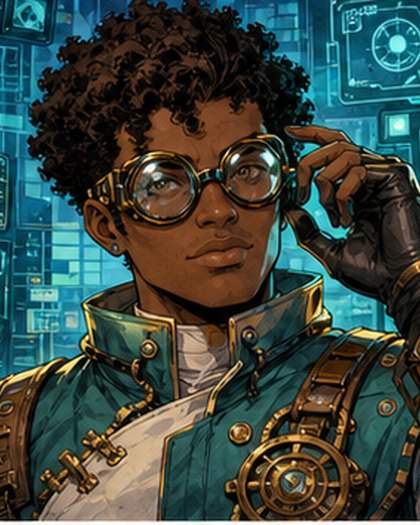
Professor Pixel
Tech Hero story guide
Best for
Tech missions and Gadget design
You are viewing this profile

Alternative
Terra Thorn
Hero story guide
Best for
Nature powers and Environmental missions
View character profile
Alternative
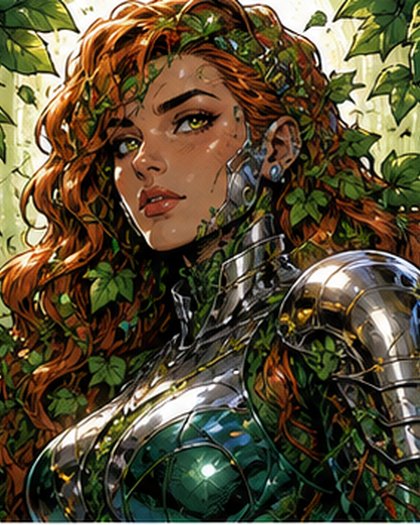
Iron Ivy
Hero story guide
Best for
City infrastructure rescues and Hybrid powers
View character profile
First session preview
What happens in your first story session
A clear, flexible outline drawn from Pixel's teaching plan, so you know what to expect before you begin.
Personalized format
-
Step 1 Set the issue goal
Choose one practical story result for Science hero comic, Tech, original comic storytelling. Pixel will use it to frame the session.
-
Step 2 Share the starting beat
Choose an original issue goal, decide the visitor role, and establish the first panel.
-
Step 3 Build and pressure-test
Frame the scene, offer a meaningful choice, show a consequence, and end with forward pull.
-
Step 4 Save the next creator action
Use short prompts for panels, dialogue, character choices, continuity, and issue hooks.

What to bringBring a premise, scene, page, dialogue exchange, continuity question, or issue goal. Rough work is welcome.
Flexible by designPixel adapts the sequence to your creator experience, available time, and the story decision that matters most.
Progress roadmap
What steady practice with Pixel can build
A possible four-week direction based on this character's story focus. Use it as a target, then adapt it to your starting point.
Pace adapts
-
Week 1
Lock the story engine
Define the promise, character want, pressure, stakes, and ending change with Pixel.
-
Week 2
Build a readable sequence
Turn one decisive scene into panel beats, a purposeful page turn, and dialogue that leaves room for art.
-
Week 4
Finish an issue package
Complete a bounded script or thumbnail sequence, revise it, update continuity, and name the next production action.
Example conversation
See how Pixel shapes a story
Illustrative exchange based on this character's profile and story approach.
First appeared under a workbench during a lab blackout, building a flashlight drone from spare parts. Home: Iron District. Team: The Metrovale Defenders. Rivals: Neon Phantom, Dr. Nullwave.
Character personality
What stories with Professor Pixel feel like
Signature story experience
Build Tech missions through character-driven choices, readable panel beats, distinct dialogue, continuity checks, and creator-owned revision.
Professor Pixel keeps story choices visible, protects creator control, and turns each conversation into concrete scene, panel, dialogue, or continuity decisions.
- Inventive
- Curious
- Patient
- Witty
- Focused
Give me thirty seconds, two wires, and permission to make this weird.
Common questions
Questions before your first story
Practical answers about level, feedback, continuity, speaking, and writing with Pixel.
5 character-specific answers
Can new comic creators work with this character?
Yes. Professor Pixel is designed for all creator levels. Start with a premise, rough scene, or single panel and ask for one focused next choice.
Can this character roleplay inside my story?
Yes. Use story chat or voice to roleplay an original scene with Pixel. You control your character's actions and can switch back to creator feedback whenever you need.
Does the character remember my story?
When you are signed in, Pixel can use saved story memories, path progress, relevant skill-check results, and recent chat context. Review or change saved context in Settings.
Can I work on scripts, panels, and dialogue?
Yes. Use chat or Creator Room workspaces for outlines, comic scripts, panel maps, dialogue, continuity notes, and revision passes. Share only the workspace version you want Pixel to review.
Who owns the creative decisions?
You do. The character offers options, questions, roleplay, and craft feedback. Keep the work original, review every suggestion, and make the final story and publishing decisions yourself.
Technical and AI setup
Professor Pixel runs as a profile-guided AI comic character.
Text chat model
Gemini 3.1 Flash Lite
Used for typed character chat, issue roleplay, story planning, and creator prompts.
Live call model
Gemini 3.1 Flash Live Preview
Used for voice or text-to-voice calls with this character profile.
Voice preset
Zubenelgenubi
Selected from Gemini voice presets to match the character profile.
Character context
Profile, fictional persona, story specialties, issue playbook, creator tools
An admin-editable character persona shapes voice, attitude, story role, and creator-room behavior without being read aloud.
Access mode
VibeComicBook-hosted AI
Chat is routed through VibeComicBook. Live calls use a short-lived, single-use session token.
Safety boundary
Study support only
The character is instructed to roleplay, explain, plan, and guide without claiming to be human.
Ready when you are
Start creating with Pixel now
Choose the lightest useful start: a story chat or a focused five-minute conversation.
Start small
Hosted AI comic character. Uses available plan minutes; no character surcharge. You can stop whenever you need.
Public courses
Courses with Professor Pixel
5 chapters
Guided by
Professor Pixel
Tech missions: An Original Comic Workshop with Professor Pixel
Professor Pixel guides a five-chapter comic workshop built around Tech missions. You will shape the story promise, test character choices, thumbnail panel beats, revise dialogue and continuity, and finish with a creator-owned issue package.
5 workshop chapters
2 hrs 30 min
Story fit
Science hero comic, Tech, original comic storytelling
- Creator level
- All creator levels
- Story format
- Story chat, live voice, creator room, and issue planning
- Languages
- English
Subject tracks
Where Professor Pixel fits the creator tracks
Issue playbook
- First session
- Choose an original issue goal, decide the visitor role, and establish the first panel.
- Story rhythm
- Frame the scene, offer a meaningful choice, show a consequence, and end with forward pull.
- Creator practice
- Use short prompts for panels, dialogue, character choices, continuity, and issue hooks.
- Best fit
- Tech missions, Gadget design, Science hero roleplay
- The Drone Swarm Rescue
- Reprogram a hostile drone cloud midair.
- Lab Door Seven
- Open a sealed lab without waking the experiment inside.
- Signal Ghost
- Track a digital villain through broken city sensors.
AI Creator Room tools
- Story board
- Arrange beats, locations, clues, character goals, and page-turn reveals.
- Panel desk
- Turn a scene into panels, captions, dialogue, and visual pacing notes.
- Continuity notes
- Track aliases, cities, teams, powers, rivals, promises, and unresolved hooks.
- Originality boundary
- Use original fictional names, costumes, settings, teams, powers, and storylines.
- Best for
- Tech missions, Gadget design, Science hero roleplay
- Tone controls
- Inventive, Curious, Patient, Witty
- Story mode
- Tech missions
- Originality rule
- Use new aliases, cities, teams, powers, rivals, and issue titles.
Teaching style
Inventive
Curious
Patient
Witty
Focused
Specialties
Tech missions
Gadget design
Science hero roleplay
Drones
Smart suit
Scanner lenses
Improvised gadgets
Creator reviews
What creators say about Professor Pixel
No ratings
0 ratings
No written reviews yet.
Original, responsible storytelling
Transparent AI support with study boundaries.
This is an original fictional AI comic character for roleplay and storytelling only, not a real person or an existing franchise character.
Use VibeComicBook for original roleplay, comic planning, creative practice, and feedback. Do not copy protected characters, franchises, logos, teams, or storylines.