
Character creator playbook
How to create with Starlace
A practical, profile-specific playbook for creating Cosmic diplomacy comic, Light threads, original comic storytelling with Starlace through focused story chat, live voice scenes, Creator Room tools...
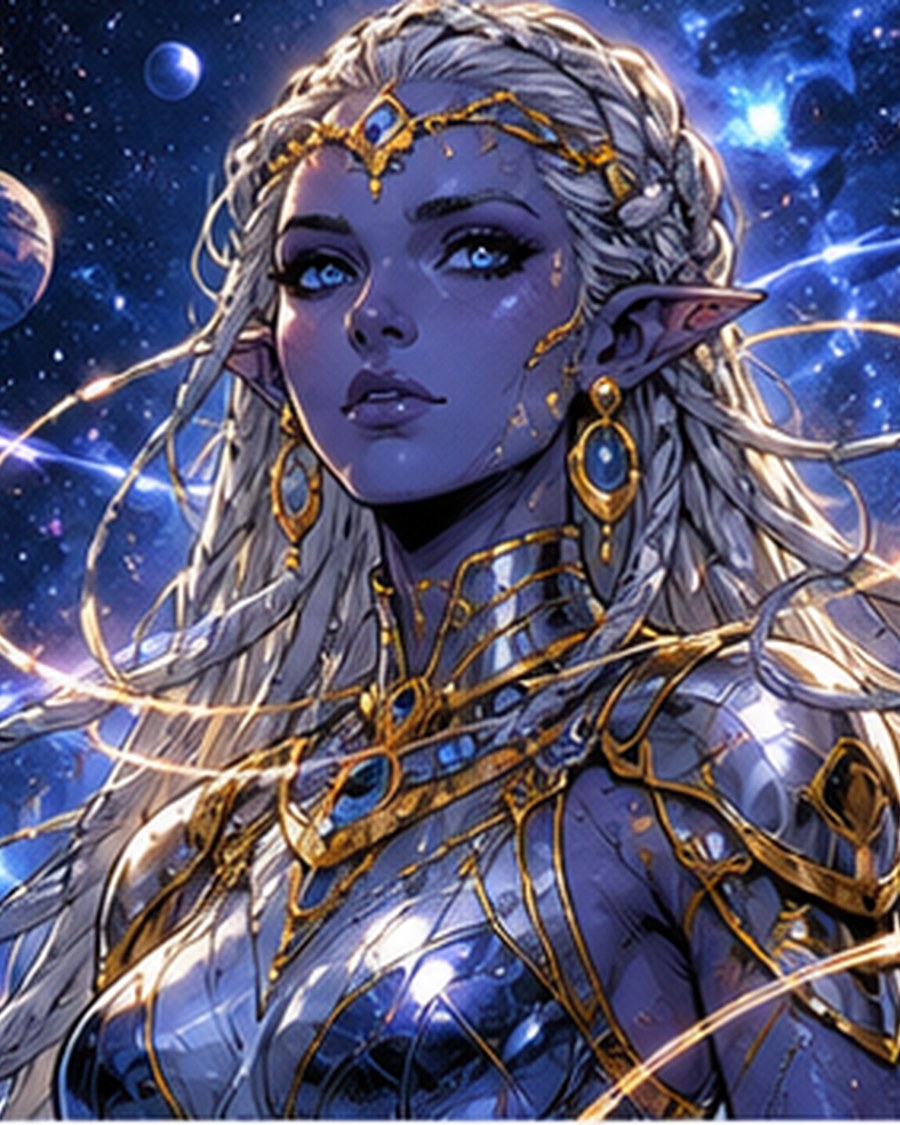 Starlace
Cosmic Hero story guide
Starlace
Cosmic Hero story guide
On this page
Best fit
Is Starlace right for your goal?
Alien diplomacy, Cosmic team-ups, Peace missions
- Creator focus
- Cosmic diplomacy comic, Light threads, original comic storytelling
- Best creator fit
- All creator levels
- Story format
- Story chat, live voice, creator room, and issue planning
- Languages
- English
Starlace keeps story choices visible, protects creator control, and turns each conversation into concrete scene, panel, dialogue, or continuity decisions.
- Alien diplomacy
- Cosmic team-ups
- Peace missions
- Light-thread weaving
- Translation aura
- Star shields
Before issue one
Plan a focused first session
Specific evidence gives Starlace a better starting point than a broad request to invent the whole issue. Use this four-part setup.
-
Arrive with evidence
Bring a premise, character note, rough thumbnail, script excerpt, dialogue pass, continuity question, or unfinished scene. A real sample gives Starlace something concrete to diagnose.
-
Define one result
Aim for one stronger story beat, page, scene, character choice, or production decision. Put that result in the Plan tab before expanding the issue.
-
Draft before the assist
Put down your current beat, panel idea, or line first. Ask for a focused option or question before requesting a full alternative.
-
Leave with a next beat
Name the creator choice you made, save the key continuity or craft note, and schedule the smallest useful follow-up.
Choose the right creator mode
Text chat
Developing exact scenes, testing character choices, tightening dialogue, and checking continuity in writing.
Paste the exact material and state the feedback format you want.Voice call
Roleplaying scenes, hearing dialogue aloud, pitching an issue, and discovering character reactions in real time.
Think aloud and ask Starlace to pause after each story beat or question.Creator Room
Panel maps, live scripts, continuity notes, scene practice, issue plans, assets, and creator-owned revisions.
Share each workspace explicitly so the character can see the latest version.Repeatable value
Use Starlace's story rhythm
A good session should produce something you can attempt, inspect, and revisit. This profile is designed around the following rhythm.
- Start
- Bring one concrete question or sample and tell Starlace what a useful result would look like.
- Work
- Start with a quick check, make one guided attempt, review the result, and repeat with less support.
- Continue
- Finish with a small practice task and one explain-it-back note.
Creator Room
Use each creator tool with a purpose
The whiteboard opens as the main story surface. Workspaces are shared deliberately: use Show character or Update character after changing the board, Notebook, Document, Story Lab, or SVG Studio so Starlace sees the current version.
Whiteboard
Creator RoomMap panels, page turns, emotional beats, clues, power rules, and cause-and-effect before polishing prose.
Best move: Draw or place the first version yourself, then use Show character or Update character so Starlace can respond to the current board.Story Lab
Creator RoomUse the Story Lab for a focused origin, rivalry, scene, page turn, dialogue exchange, mystery clue, or production problem.
Best move: Keep one task active, ask for the smallest useful hint, and make a second attempt before requesting a complete scene.Practice
Creator RoomDraft the beat first, test one changed constraint, compare the result, and keep the version that serves the story best.
Best move: Ask Starlace to adjust difficulty after each attempt and explain the exact cue that should transfer to the next example.Notebook and Document
Creator RoomKeep a continuity ledger for names, motives, visual details, promises, unresolved threads, and issue-to-issue consequences. Develop the actual outline, comic script, character sheet, issue plan, pitch, or revision checklist and preserve your voice through each pass.
Best move: Keep your wording and decisions visible. Share the workspace with the character before asking for a revision or structured feedback.Review Cards and Transcript
Creator RoomTurn recurring craft decisions, continuity facts, and revision targets into compact cards for the next issue.
Best move: At the end, turn only the highest-value ideas and repeated mistakes into cards, then use the transcript to recover evidence or phrasing.SVG Studio
Creator RoomCreate a clean reusable diagram, timeline, composition, position, or concept map when the whiteboard becomes too temporary.
Best move: Build the first structure, share it, and ask Starlace to revise labels or relationships while preserving your original reasoning.Starlace's methods
Profile-specific creator tools
These methods come directly from this character profile. The surface label shows where to make the result visible during a Creator Room session.
Story board
Arrange beats, locations, clues, character goals, and page-turn reveals.
Try it with Alien diplomacy in Whiteboard, make one attempt yourself, then ask Starlace to respond only to what blocks the next story decision.Panel desk
Turn a scene into panels, captions, dialogue, and visual pacing notes.
Try it with Alien diplomacy in Whiteboard, make one attempt yourself, then ask Starlace to respond only to what blocks the next story decision.Continuity notes
Track aliases, cities, teams, powers, rivals, promises, and unresolved hooks.
Try it with Alien diplomacy in Notebook, make one attempt yourself, then ask Starlace to respond only to what blocks the next story decision.Best for
Alien diplomacy, Cosmic team-ups, Peace missions
Try it with Alien diplomacy in Story Lab, make one attempt yourself, then ask Starlace to respond only to what blocks the next story decision.Tone controls
Graceful, Diplomatic, Brave, Curious
Try it with Alien diplomacy in Story Lab, make one attempt yourself, then ask Starlace to respond only to what blocks the next story decision.Story mode
Alien diplomacy
Try it with Alien diplomacy in Story Lab, make one attempt yourself, then ask Starlace to respond only to what blocks the next story decision.Originality rule
Use new aliases, cities, teams, powers, rivals, and issue titles.
Try it with Alien diplomacy in Story Lab, make one attempt yourself, then ask Starlace to respond only to what blocks the next story decision.Ready to use
Prompts that fit this character
These prompts use Starlace's actual specialties, story format, and adaptive Creator Room lab. Replace the scene or craft goal with your own material when needed.
Bring one concrete question or sample and tell Starlace what a useful result would look like.
I want to improve Alien diplomacy. Use Story chat, live voice, creator room, and issue planning. Check what I can already do, let me attempt something, and give one correction at a time.
Open Story Lab for Cosmic team-ups. Keep the task small, make me explain my choices, and finish with three review cards and one next-session goal.
Progress evidence
Know whether the creator sessions are working
Do not measure progress only by how clear the explanation felt. Look for changes in the story decisions, pages, dialogue, continuity, and revisions you can produce without support.
- Makes character choices drive the plot
- Stages clearer panel-to-panel action
- Writes tighter, more distinct dialogue
- Carries continuity into the next issue
Responsible use
Use Starlace as a creative collaborator, not an authority
Use original fictional names, costumes, settings, teams, powers, and storylines.
This is an original fictional AI comic character for roleplay and storytelling only, not a real person or an existing franchise character.

Put the guide into practice
Start one focused issue session with Starlace
Bring one real example, choose one result, and keep your first attempt visible. You can review the full profile before opening chat or voice.